|


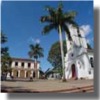
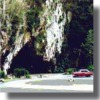
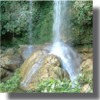
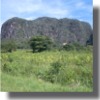
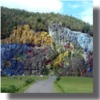
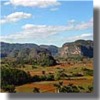
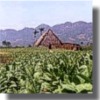
210 km from la Habana, Viñales It is the most famous tourist destination in Pinar del Rio province for the beauty of the landscape, in which the Mogotes stand-out, lonely or in carsic moutains, together with tobacco plantations, fields and rural houses. The valley of Viñales is located in the center of the Sierra de los Órganos and this combination of natural and cultural landscape has been appointed Natural Landscape of the Humanity by UNESCO. Remarkable are flora and fauna of the region for their exclusivity and several cave systems, classified among the biggest and most beautiful in Latin America. Among the many tourist attractives of the area it is important to remember: la Cueva del Indio, el Valle del Ruiseñor, Palenque de los Cimarrones, Gran Caverna de Santo Tomas and other cavea of the Majagua, Canteras and Palmarito system, San Vicente's valley and the town of Viñales. The area is ideal for the nature tourism, including trecking and speleology; the lovers of the mountaineering will be also satisfied. In the sorrounding are: Pinar del Río (25 km), Cayo Levisa y Cayo Jutia (50 km), Robaina Tobacco plantations (45 km) and Punta Maria la Gorda (180 km), one of the most beautiful diving spots in the Carebbean.
|


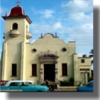
Pueblo de Vinales
 

Cueva del Indio
 

Fuente del Indio

Mogotes
 

Mural de la prehistoria
 

Valle de Vinales

Valle de Vinales
 

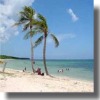
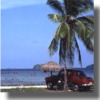
Playa San Pedro
 

Cayo Judias


|


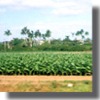
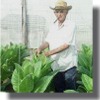
In the year 1858 Pinar del Rio (185 km from Habana) was recognized Villa and eventually, on September the 10th, 1867, queen Isabel II grant the title of City to Pinar del Rio, the place where the best Tobacco in the World is cultivated. Pinar is a bucolic city of the interior of the country, where prevails a tipical architecture, with roofs made of tiles, and portals along the main roads and private houses. Located in the center of the tobacco region of the county, has many attractions related with the culture of the cigar, like the surrounding tobacco plantations and cigar factories (habanos). Other attractions are Museum of Natural Sciences, the factory of Guayabita del Pinar (a tipical liquor of the region), the Provincial Museum of History and the Milanés Theater. In the sorrounding are: Viñales (25 km), Cayo Levisa y Cayo Jutia (75 km), Robaina Tobacco plantations (18 km) and Punta Maria la Gorda (140 km), one of the most beautiful diving spots in the Carebbean.|
|


Catedral de San Rosendro
 

Palacio Guash
 

Casa de la cultura

Piantagioni di tabacco
 

Piantagioni di tabacco
 

Piantagioni di tabacco

Lavorazione del tabacco
 

Lavorazione del tabacco
 

Lavorazione del tabacco


|


Isla de la Juventud, 129 km south of Habana, is the biggest of the 350 islands of the Canarreos archipelago. Seen by Columbus in 1494, it is administered by the capital Nueva Gerona, founded in 1830 under the name of Colonia Reina Amalia, in honor to the king's wife Fernando VII; it preserves its eclectic architecture, marked neoclassic details. Interesting places to visit on the island are: the Parque Nacional Marino Punta Francés, the beach Bibijagua of black sands, the Natural Reserve of San Felipe-Los Indios, the aboriginal pictography’s in the caves of Punta del Este, the El Colony hotel and some historic landmarks like Finca El Abra and the prison Presidio Modelo, where Castro was held during Batista's dictatorship. The island can be reached via plane from la Habana (3 daily flights - about 25 USD - 45min flight) or by Kometa speedboat (2 journeys on tuesday, thursday and saturday - about 15 USD - 3h) from Batabanó, on the southern coast of Cuba. Batabanò can be reached by bus from la Habana, from the Terminal Nacional de Ómnibus, near Plaza de la Revolucion (2,5 USD - 1h 30min) or by taxi (20 USD is a fair price).
|


Catedral de Nueva Gerona
 

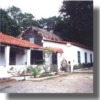
Finca el Abra
 

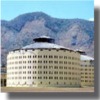
Presidio Modelo

Playa Gerona
 

Playa Colony
 

Playa Paraiso

Sierra Loma
 

Cuevas de Punta del Este
 

Parque Lacret


|


Home > Travel Guides > West Cuba